The Beehive Blog
Raw Honey Crystallisation: Why It's Natural and a Sign of Quality
Many people are surprised when their honey turns solid or grainy over time. But here’s the sweet truth: raw honey crystallisation is completely natural—and it’s actually a sign of purity and quality.
If your honey crystallises, don’t worry. It hasn’t gone bad. In fact, it’s proof you’re getting the real deal. Let’s explore what causes honey to crystallise and why it’s a good thing.

What Causes Raw Honey to Crystallise?
Raw honey is a complex mix of sugars (mainly glucose and fructose), water, enzymes, pollen, and trace minerals. The balance of these elements varies depending on the flowers bees collect nectar from.
Crystallisation happens when the glucose in honey separates from the water and forms solid crystals. This process can be influenced by:
Glucose content (more glucose = faster crystallisation)
Storage temperature (cooler temperatures encourage it)
Natural particles like pollen and propolis (which act as crystal starters)
Different types of raw honey crystallise at different rates:
Slow to crystallise: Acacia, Sidr, Thyme
Faster to crystallise: Linden, Lavender, Wildflower
The size and texture of crystals also vary depending on the natural elements in the honey.
Why Raw Honey Crystallisation Is a Good Thing
1. Proof of Purity
Crystallisation shows that your honey is raw and unprocessed. Processed honey is usually filtered and heated to delay this natural change—at the cost of nutrients.
2. Preserves Flavour and Aroma
Crystallised honey locks in delicate floral notes that might fade in liquid honey over time. It’s ideal for small-batch, artisanal honeys with distinctive flavour profiles.
3. Longer Shelf Life
Solid honey is less prone to fermentation and spoilage. Crystallisation naturally preserves the honey, allowing it to stay fresh and delicious for longer.
4. Spreadable Texture
Many people enjoy the buttery, spreadable texture of crystallised honey. It’s perfect for toast, pastries, and yogurt toppings.
5. Slow-Release Energy
Because it digests more slowly than liquid honey, some believe crystallised honey may offer a steadier source of energy—especially when eaten on its own.
How to Melt Crystallised Honey (Without Ruining It)
If you prefer liquid honey, here’s how to safely return it to its fluid state without damaging its enzymes and nutrients:
Place the open jar in warm water (not boiling) for a few minutes. Make sure the water level reaches only up to the level of crystallisation.
Alternatively, use a hand mixer to whip the honey gently. This breaks down the crystals and creates a creamy, spreadable texture.
Never microwave honey or use boiling water. High heat can destroy beneficial enzymes and degrade the honey’s nutritional quality. Also, be careful not to let water get into the jar—it can cause spoilage.
Final Thoughts on Raw Honey Crystallisation
At Princess Bee Honey Co., we embrace raw honey crystallisation as a mark of authenticity. Our honey is never pasteurised or overly filtered. What you get is 100% real honey, just as nature and the bees intended.
So next time your honey crystallises, celebrate it! It’s a natural transformation that tells you you’ve chosen a high-quality product—pure, raw, and full of benefits.
Author:
Princess Bee Honey Co.
-
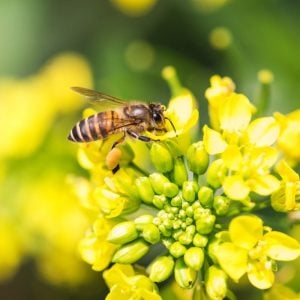
Raw Honey – Canola Flowers
90 AED – 120 AEDPrice range: 90 AED through 120 AED Select options This product has multiple variants. The options may be chosen on the product page